Zagreb Design Week is Croatia’s largest design festival.
Every year, Zagreb Design Week brings together designers, brands, institutions, students, professionals and design enthusiasts in a citywide celebration of creativity, innovation and contemporary design culture.
Founded in 2014, the festival has grown into one of the region’s leading design events, presenting a broad spectrum of design disciplines — from product, furniture, fashion and graphic design to digital communications, spatial design, food design, social innovation and emerging creative practices.
Each edition of Zagreb Design Week is shaped by a central theme that opens up relevant questions about design, society, technology, sustainability and the way we live. Through exhibitions, talks, workshops, film screenings, installations, fashion shows, awards, markets, partner events, concerts and informal gatherings, the festival creates a space where ideas are shared, connections are made and design becomes part of the city’s everyday life.
A Citywide Festival With A Central Venue
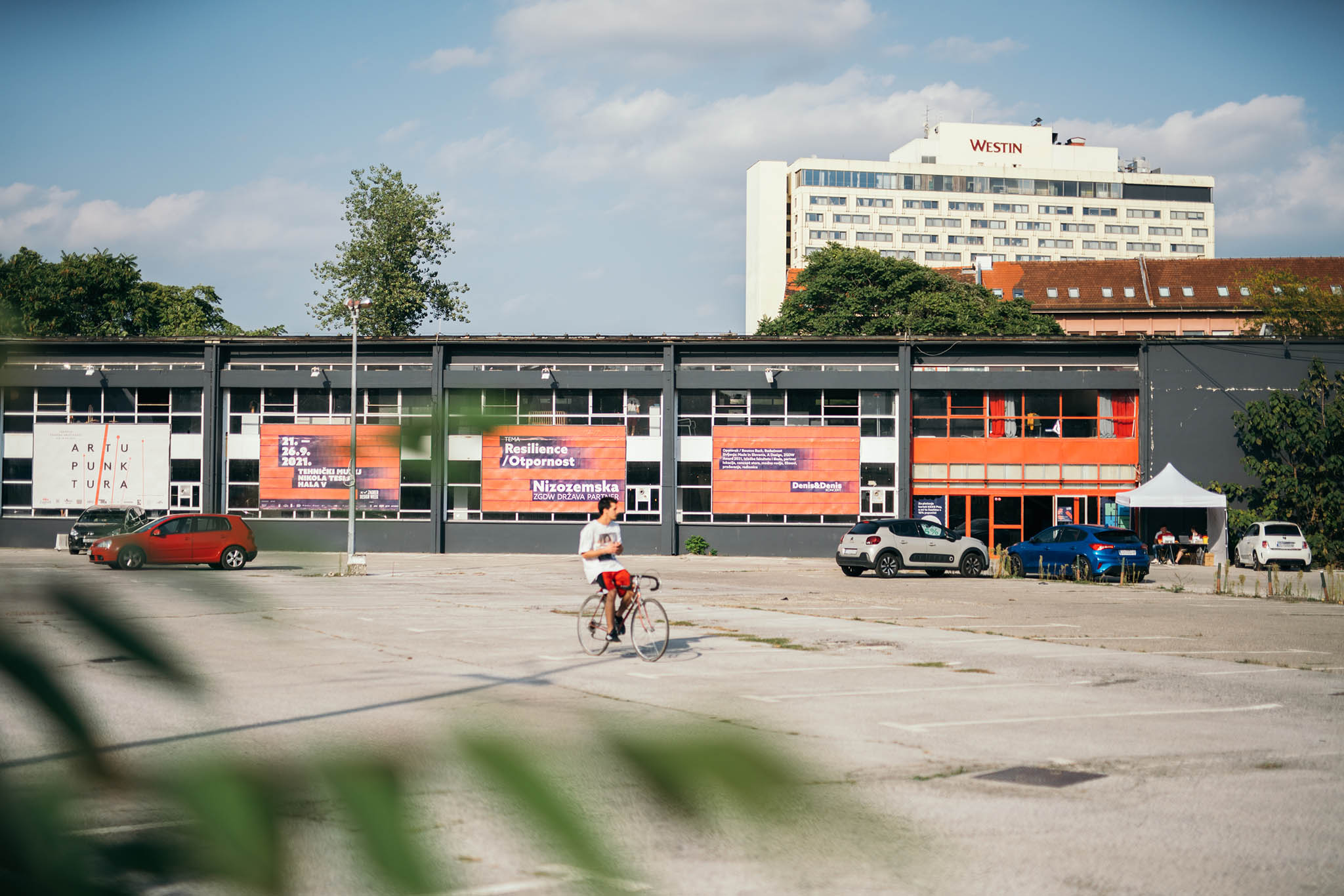
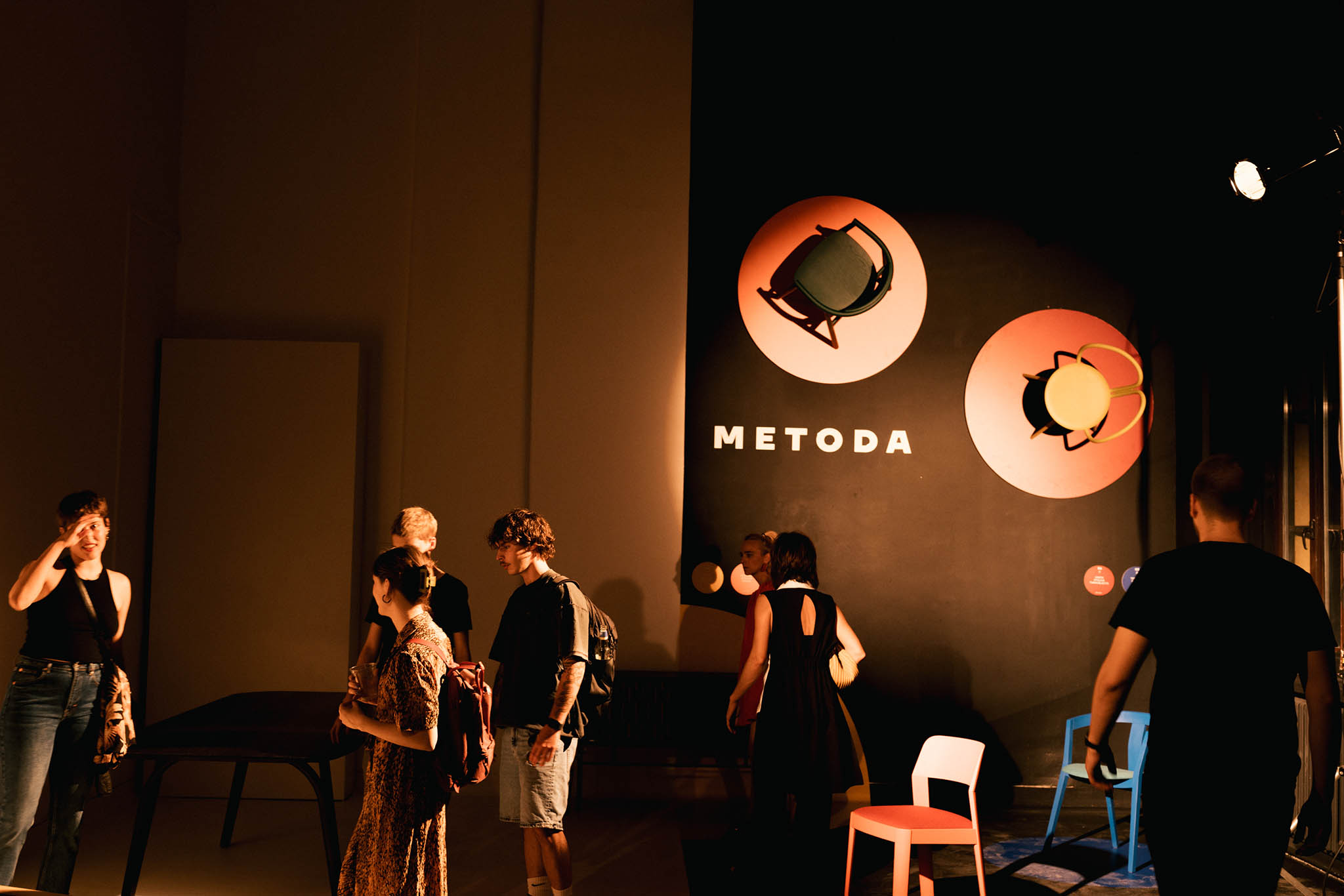
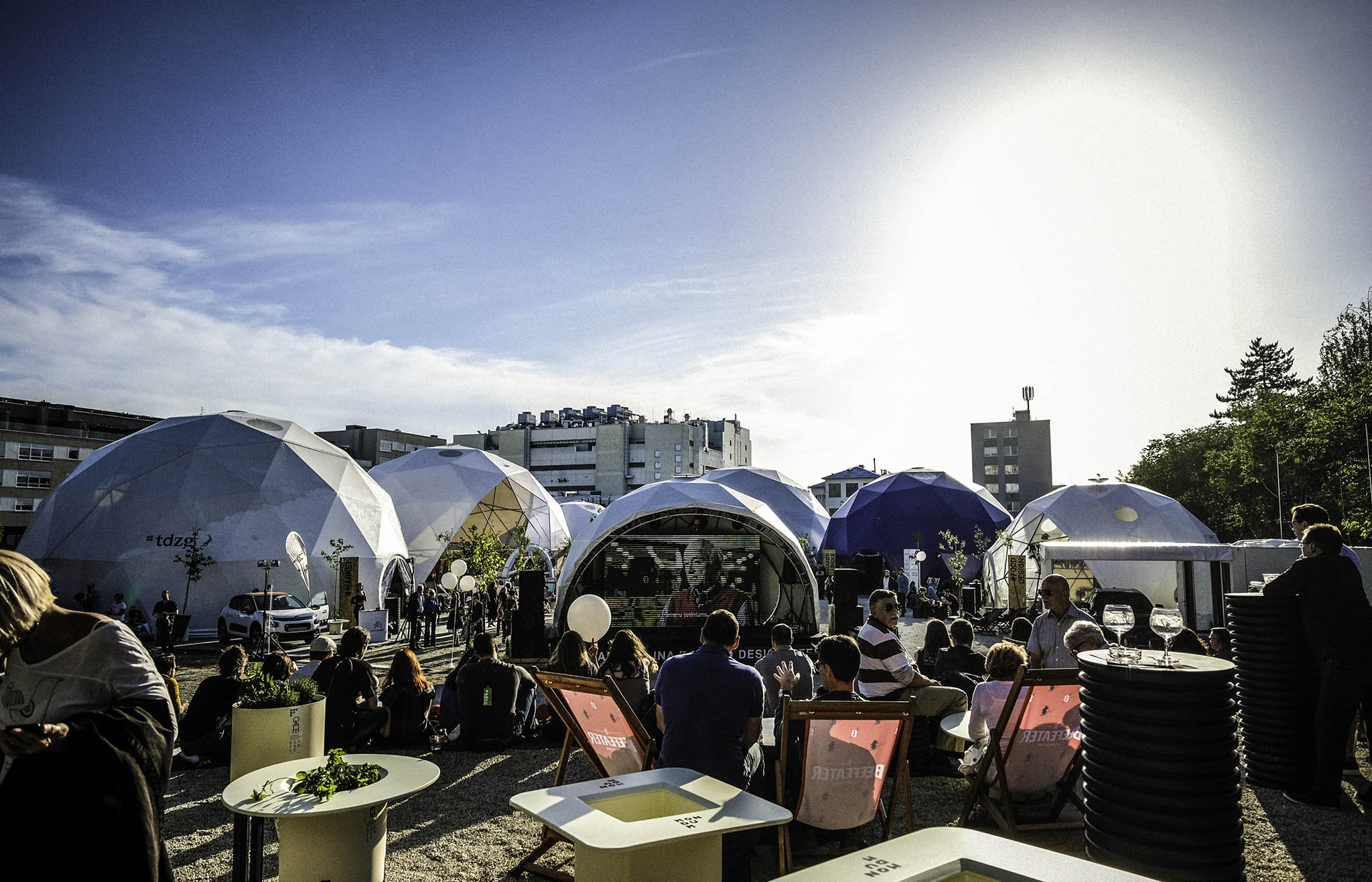
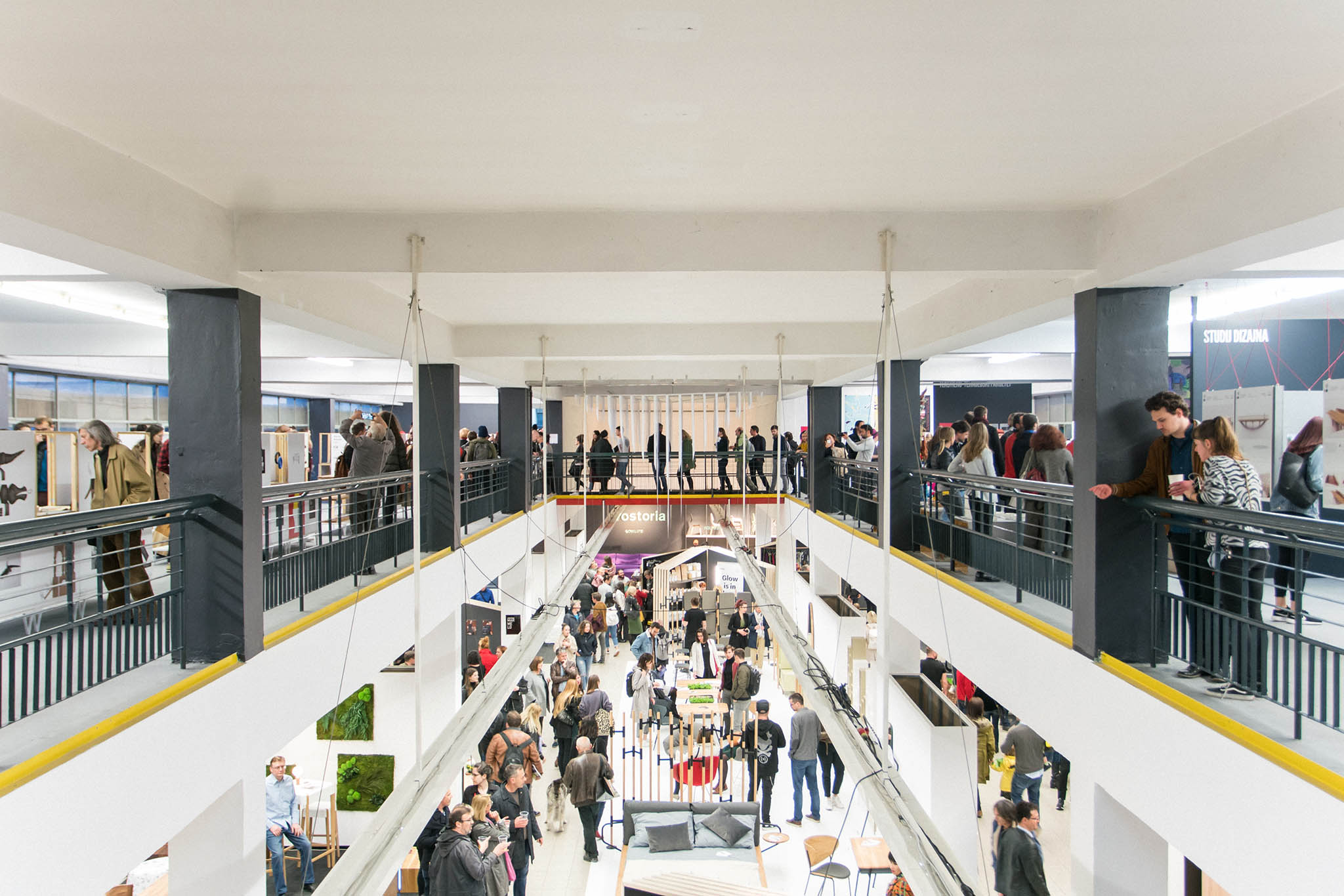
Zagreb Design Week takes place across the city and at a central festival venue. Over the years, the festival has activated some of Zagreb’s most distinctive cultural, industrial and educational spaces — from Lauba and the Technical Museum to the Zagreb Fair, Jadran Film and Academy of Fine Arts.
This format allows the festival to connect different parts of the city, bring new audiences into unexpected locations and create a dynamic relationship between design, architecture, public space and urban life.
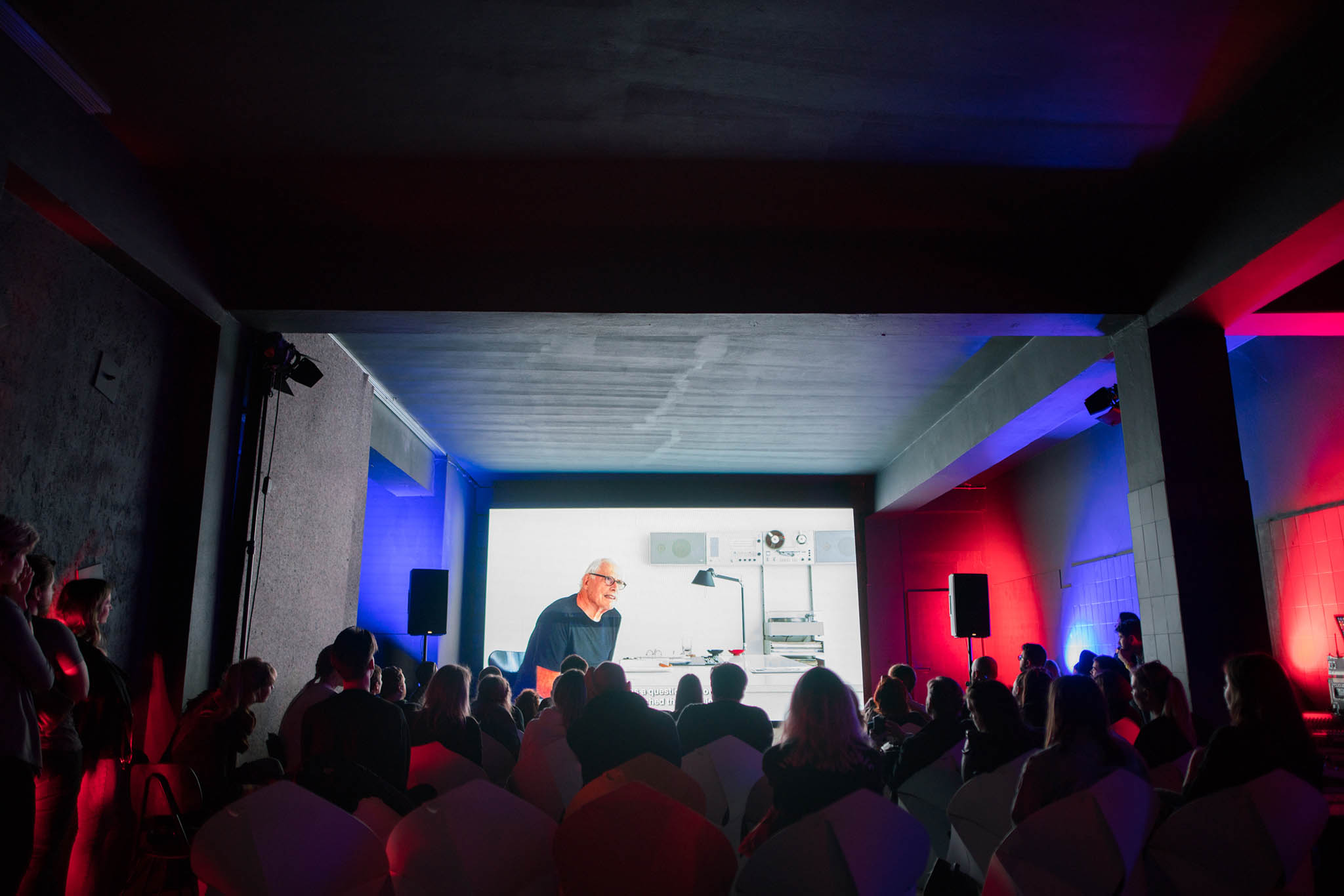
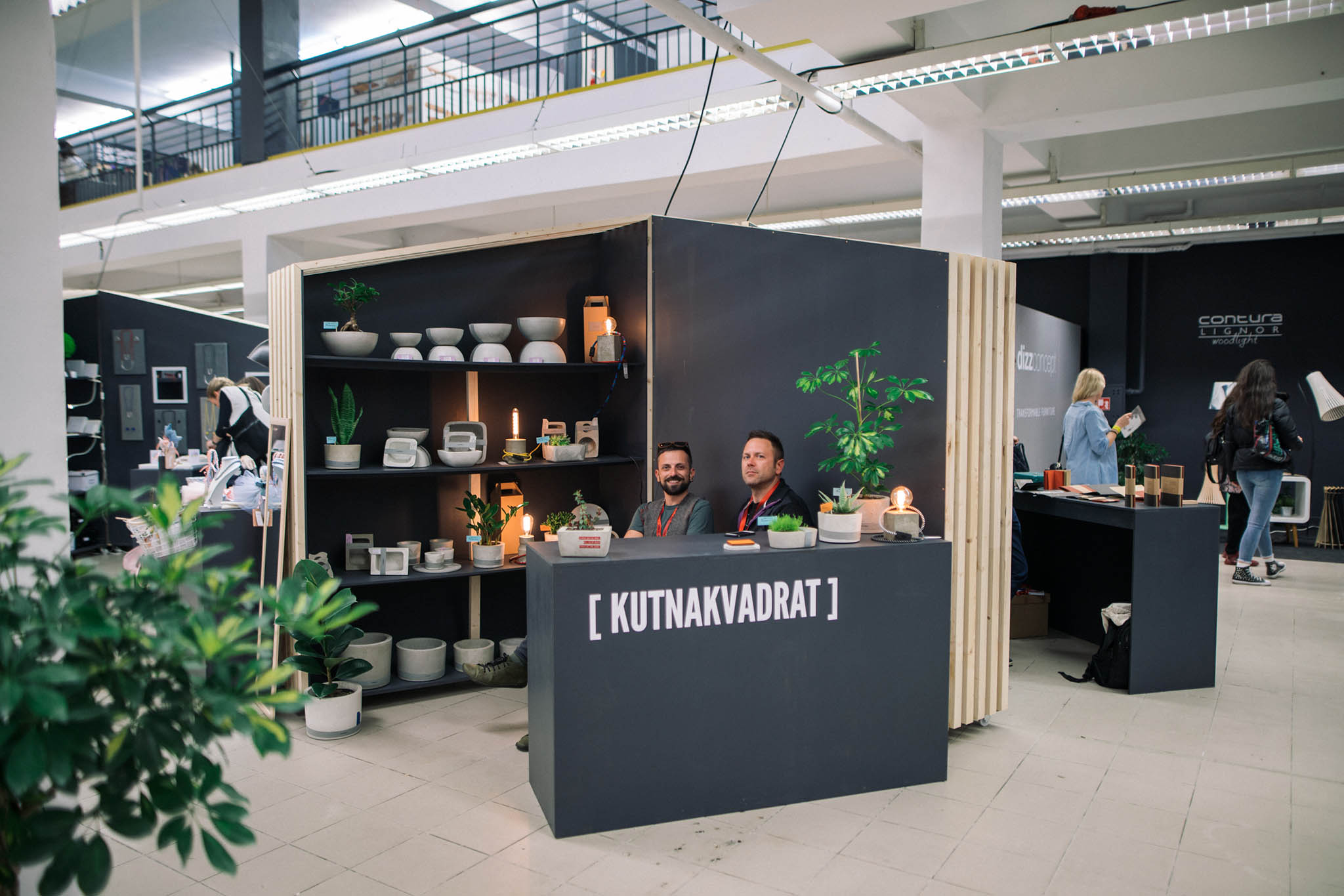
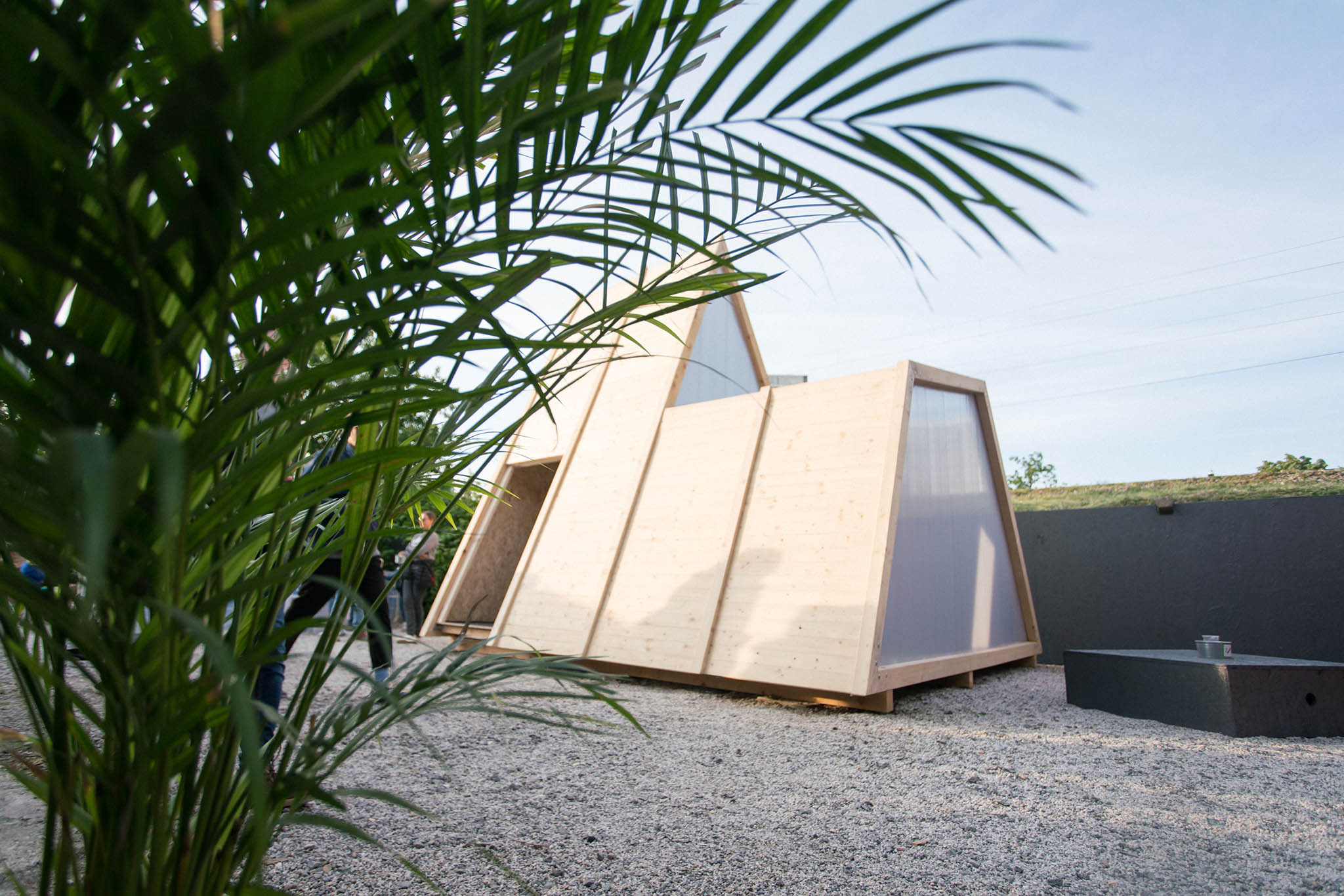
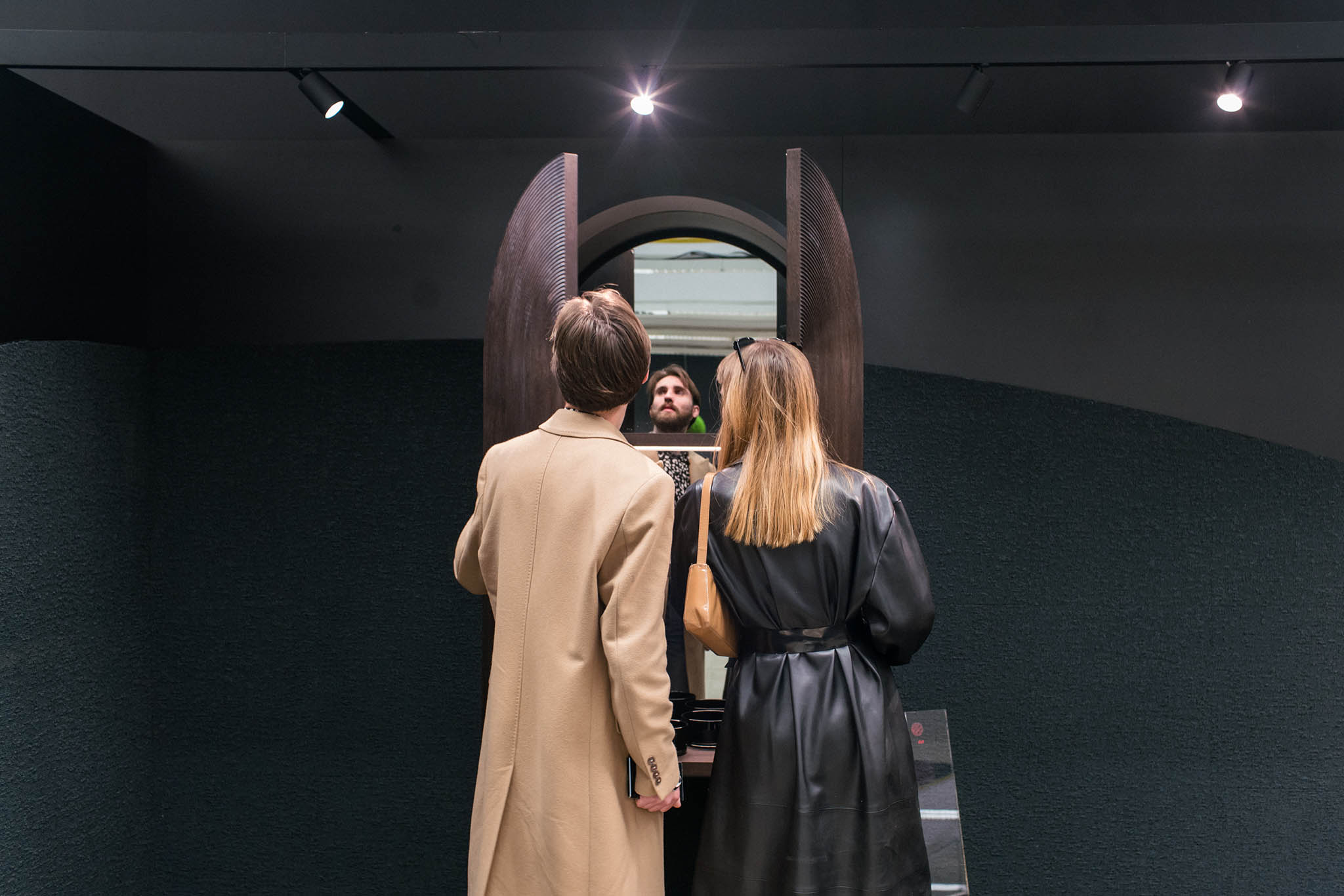
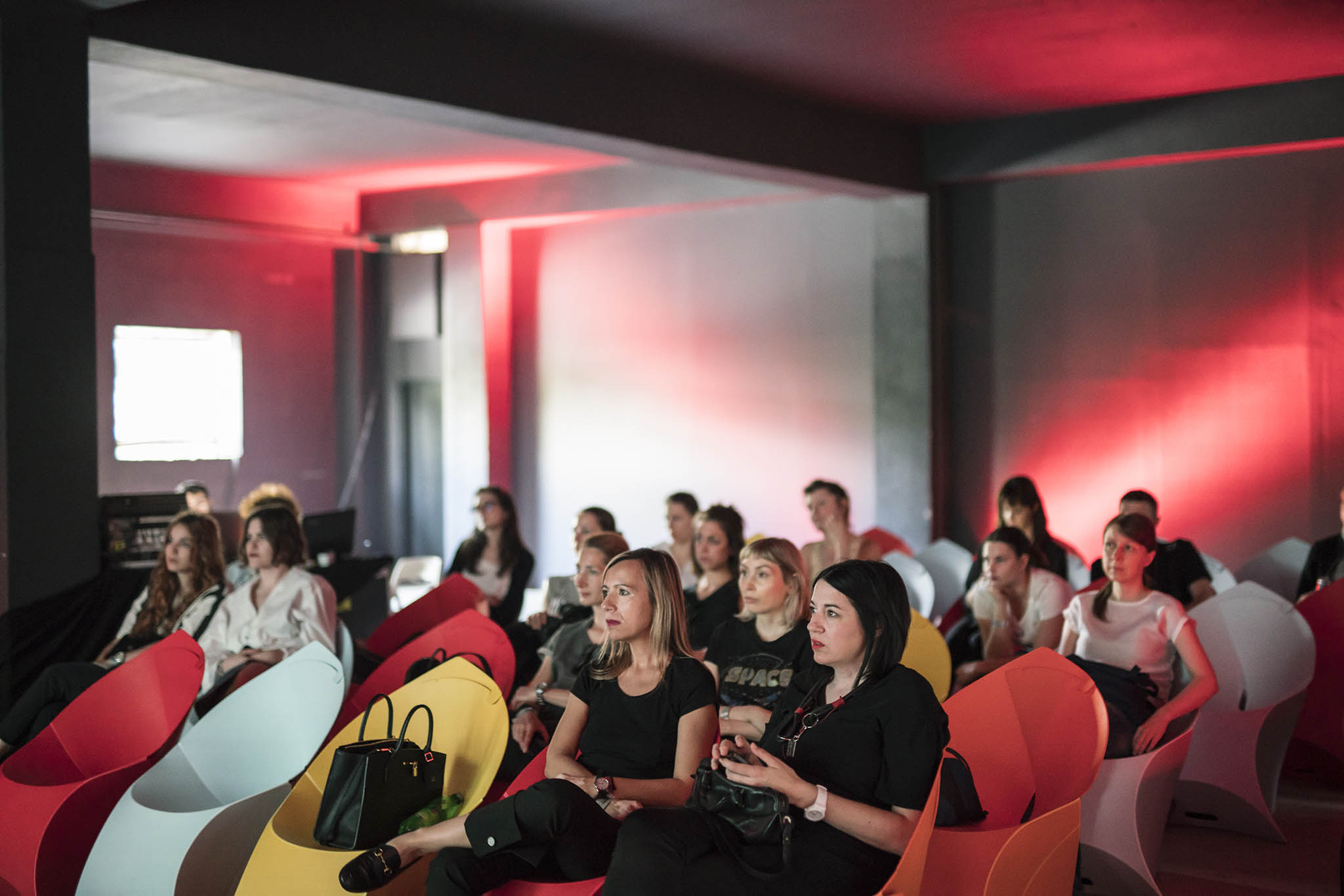
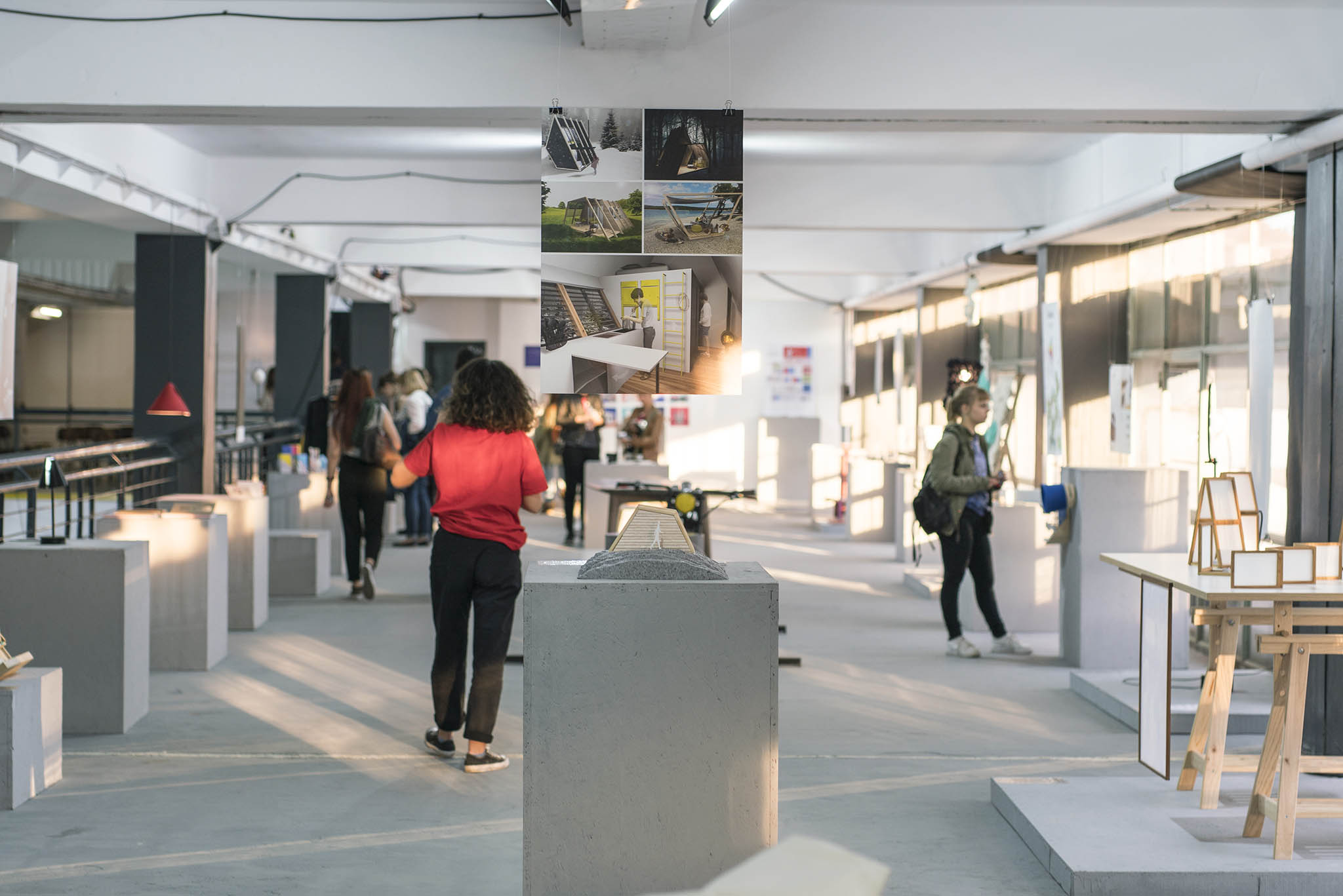
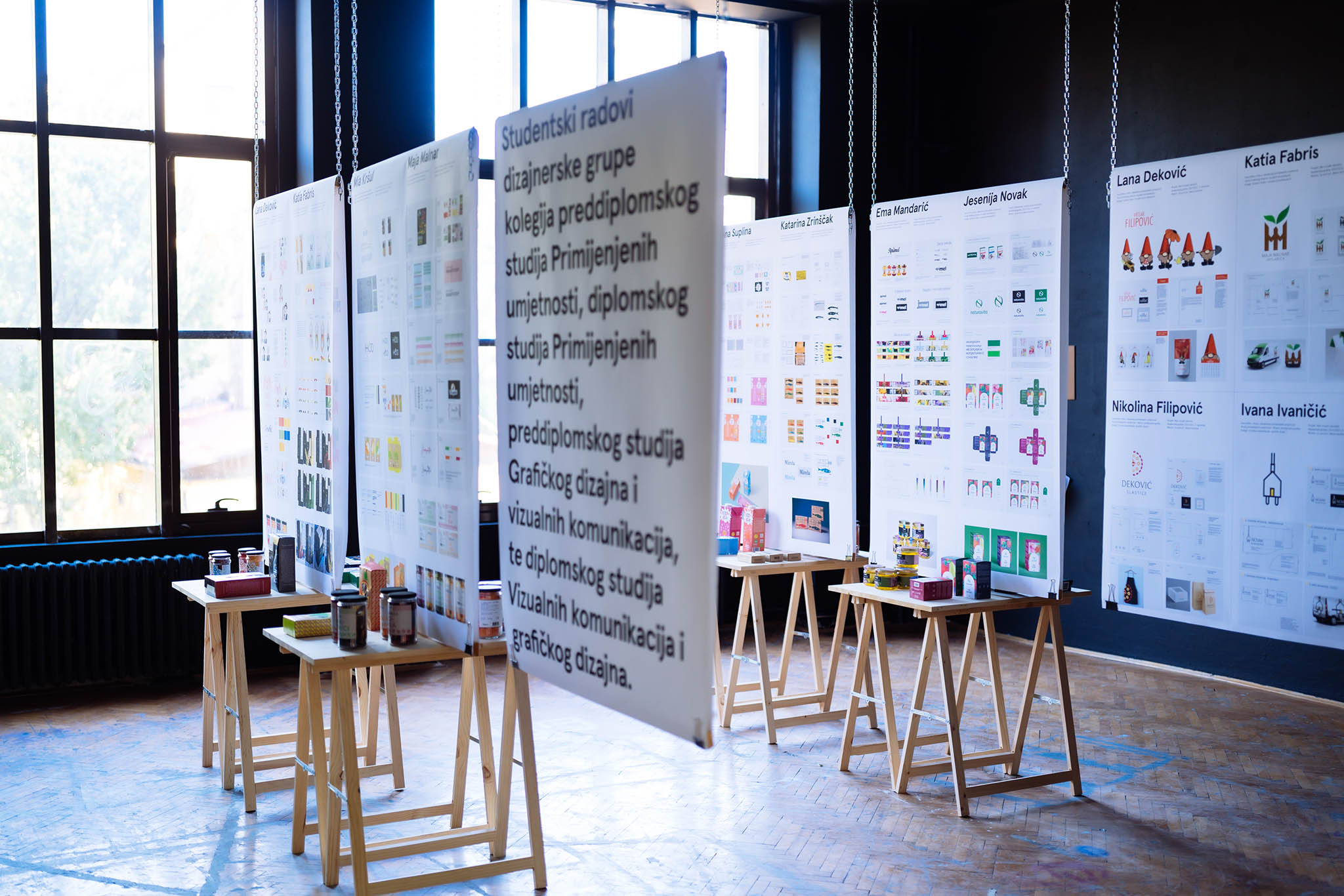
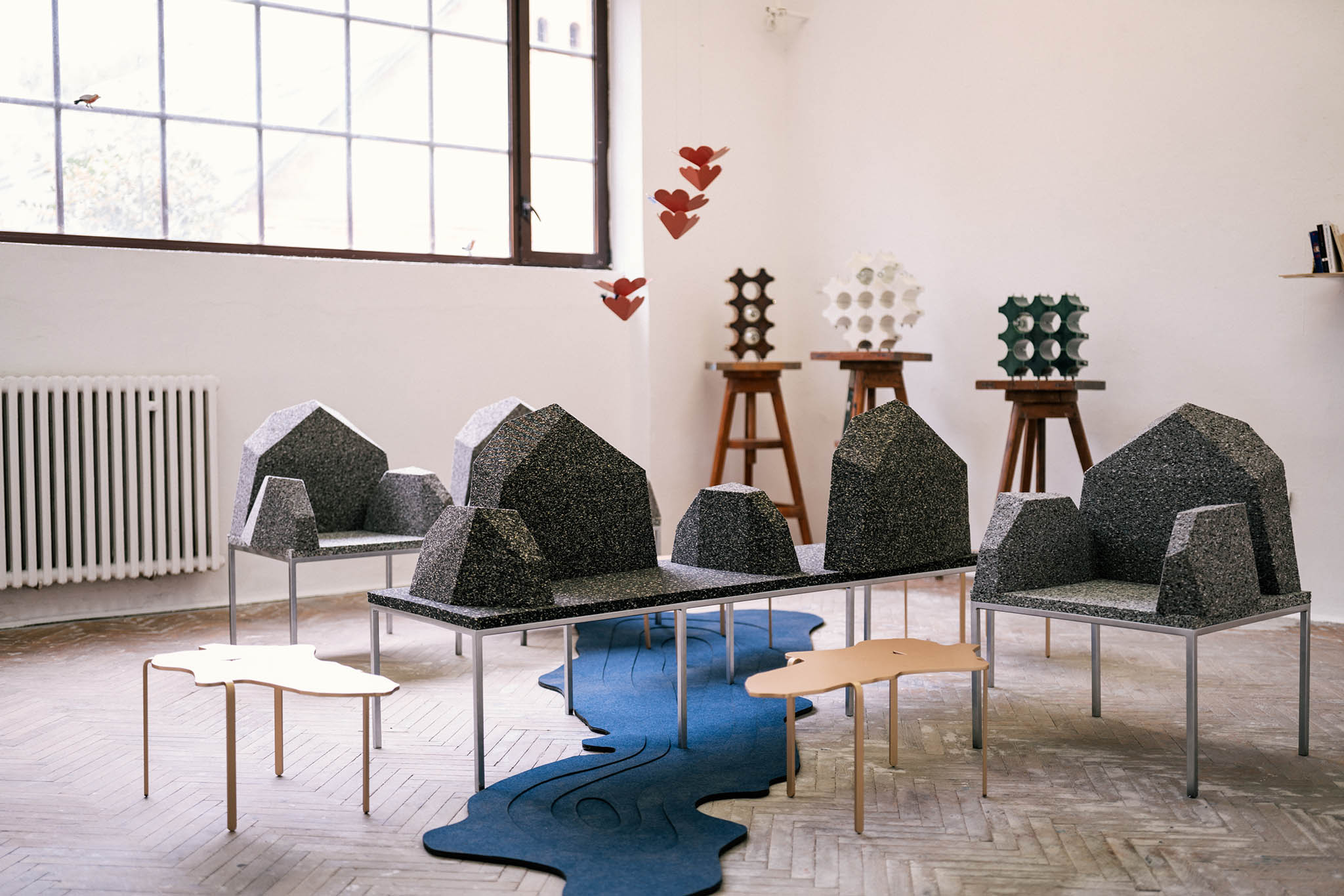
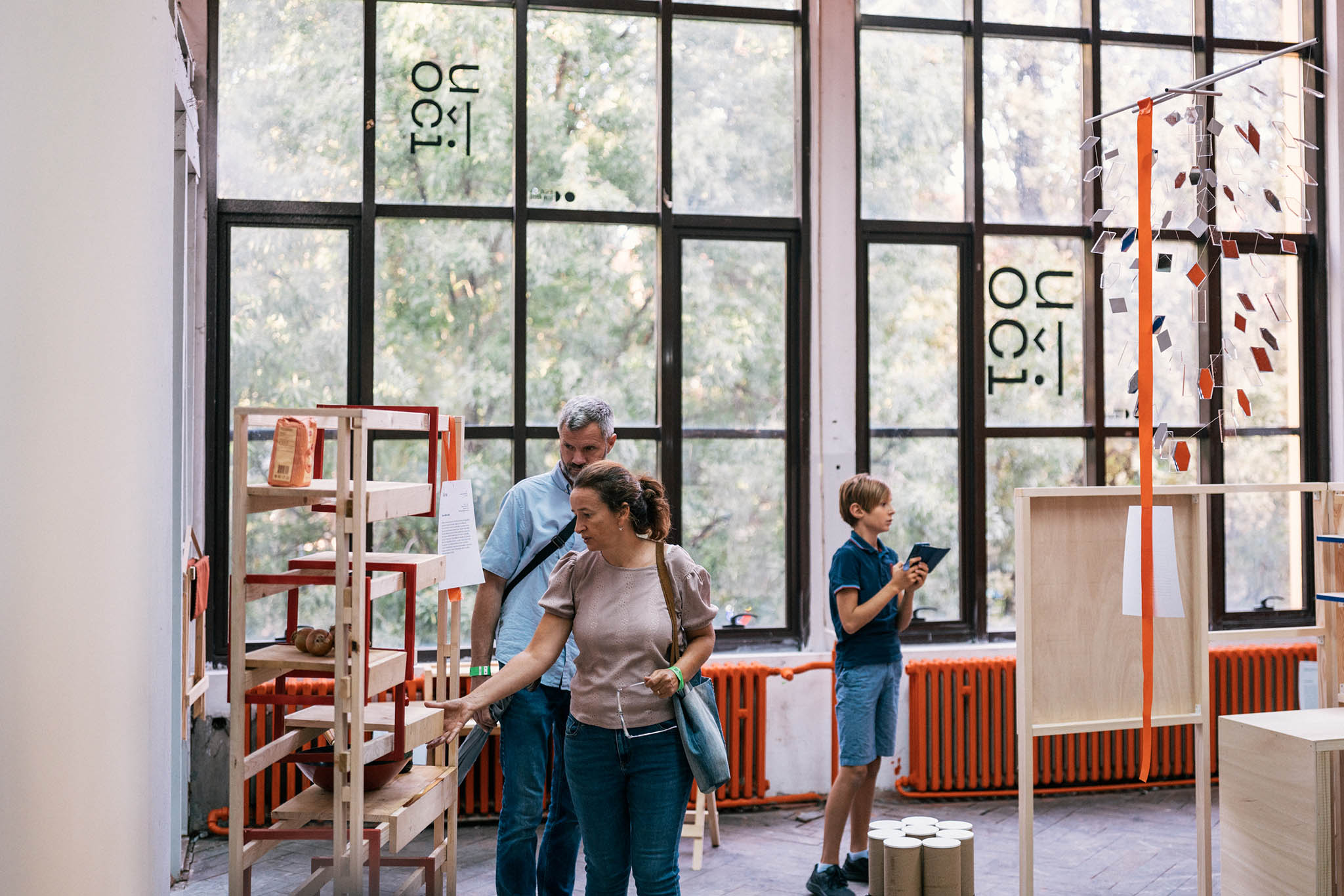
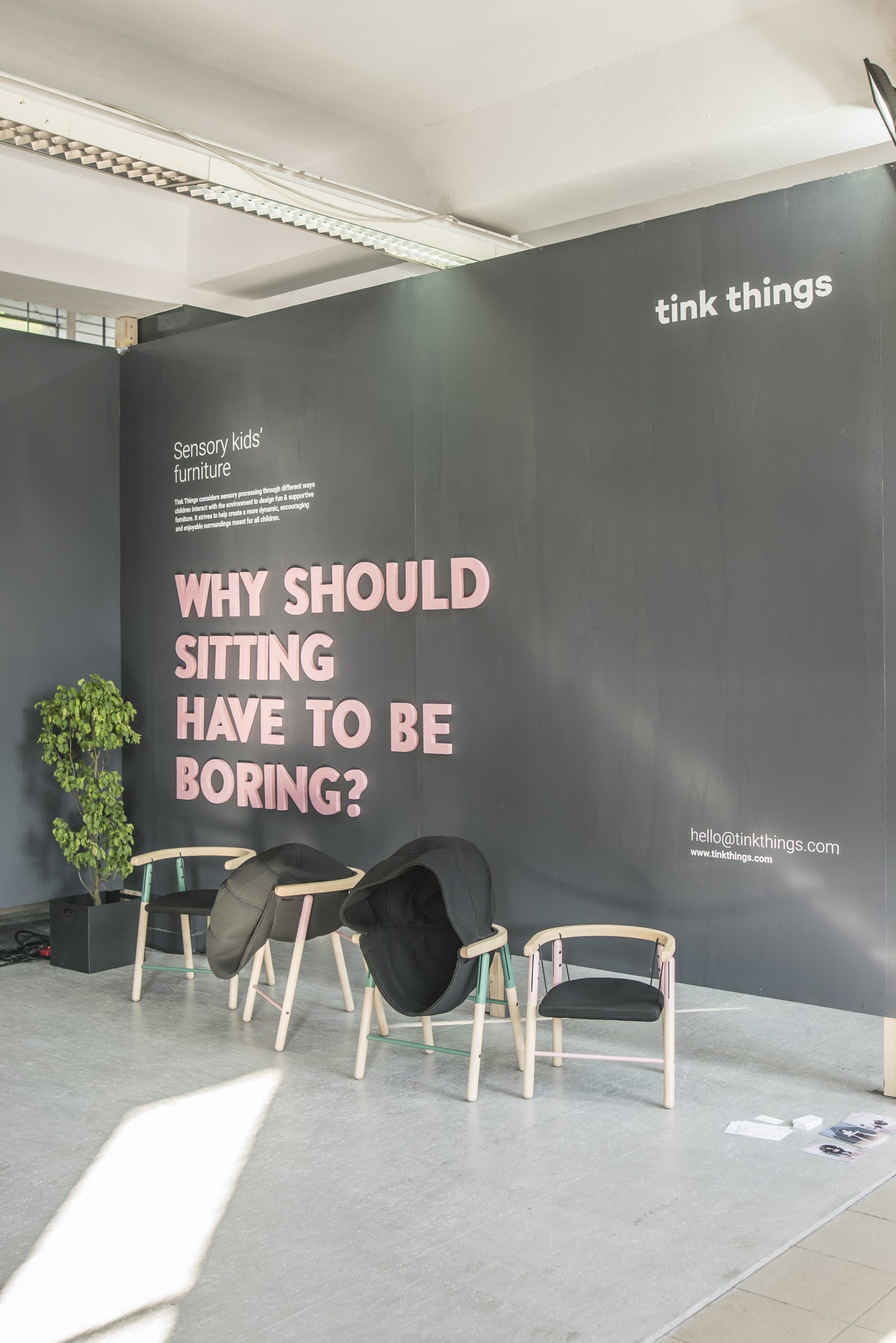
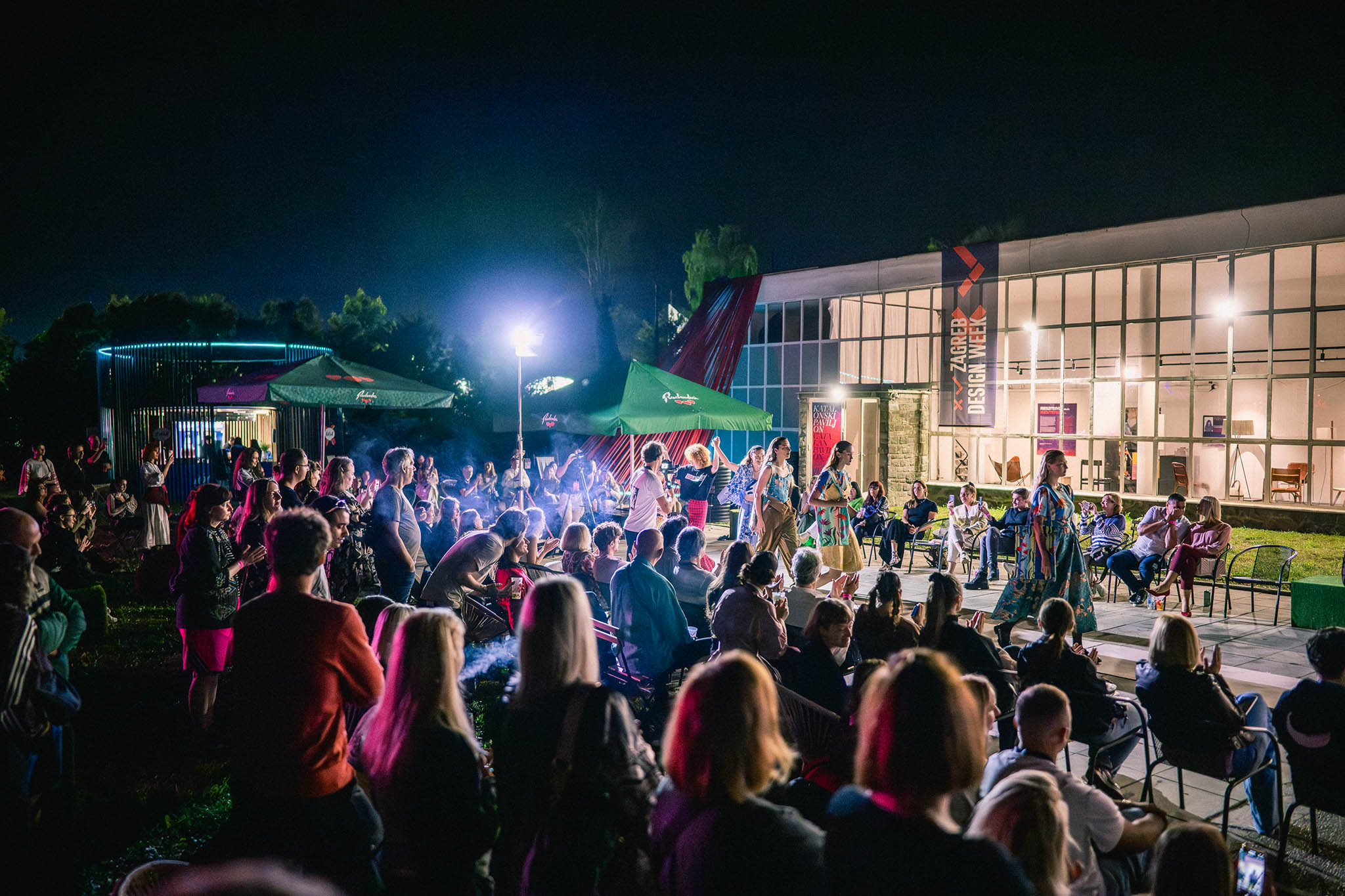
The central venue hosts the main exhibitions, international presentations, ZGDW AWARD exhibition, talks, workshops, screenings, fashion shows, installations, the market, food and drink areas, and a garden for socialising, concerts and evening gatherings.
What Happens At ZGDW
Zagreb Design Week is designed as an open and diverse platform. Its programme includes:
The festival brings together established designers, young authors, studios, companies, cultural institutions, universities, and international partners, creating a meeting point between the professional design scene and a wider public.
International By Design
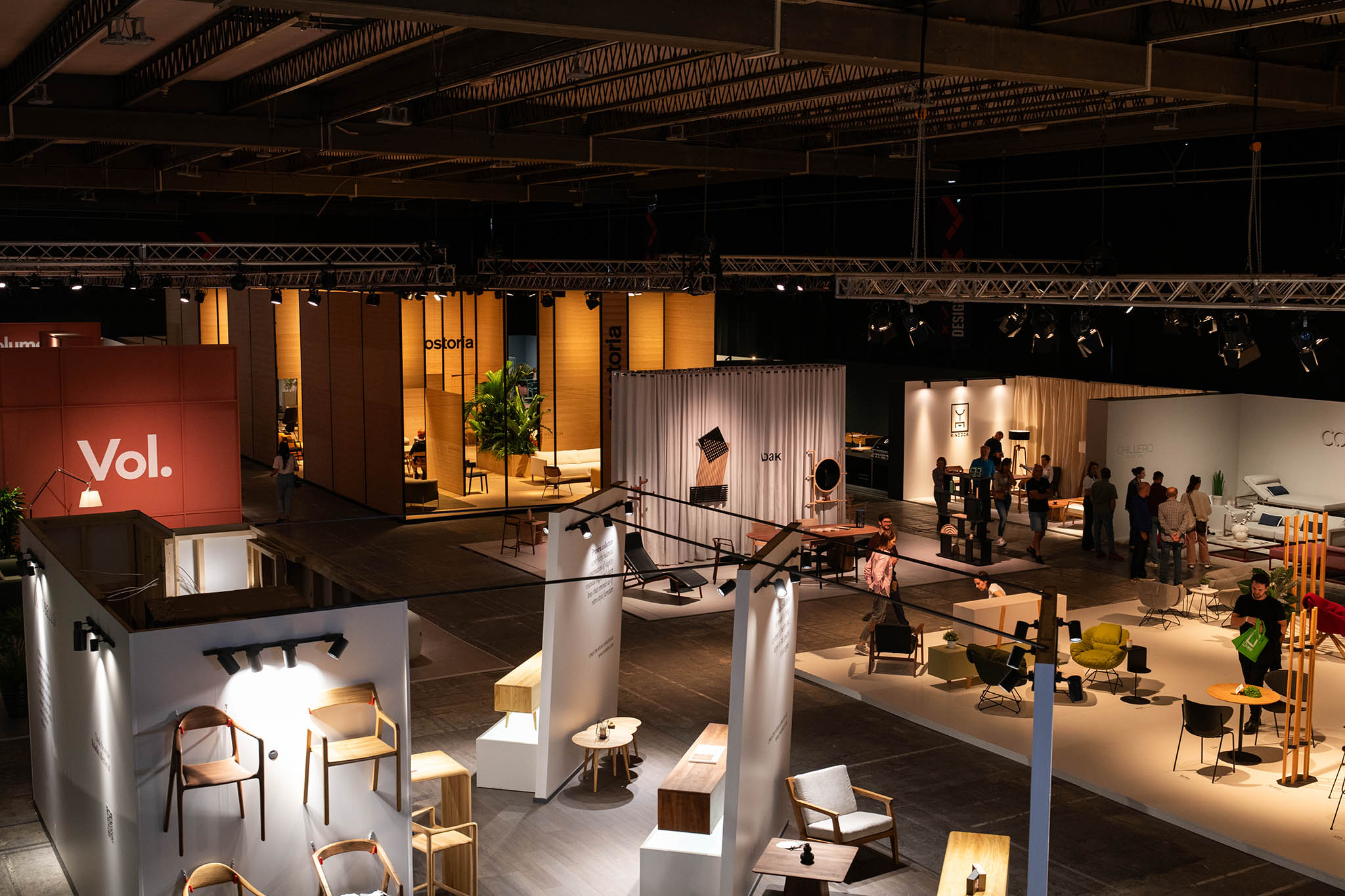
Each year, Zagreb Design Week presents international exhibitions, partner countries or regions, guest designers and collaborations with design weeks, institutions and creative organisations from Europe and beyond.
This international dimension places Croatian design in dialogue with global practices, while also opening Zagreb to new creative perspectives, collaborations and audiences.
ZGDW AWARD
A central part of the festival is the ZGDW AWARD, an international design award that recognises excellence across key design disciplines.
The award is open to professionals and students, and selected finalists are presented in a dedicated exhibition during the festival. The programme culminates in an awards ceremony that brings together designers, jury members, partners, media and the wider creative community.
The ZGDW AWARD has become an important platform for visibility, recognition and international exchange within the regional design scene.
More Than An Exhibition
Zagreb Design Week is not only a place to see design — it is a place to experience it.
During the festival, visitors can explore exhibitions, attend talks, take part in workshops, discover new brands, meet designers, watch films, spend time in the festival garden, attend concerts and evening events, or simply enjoy the atmosphere of a city temporarily transformed by design.
The festival connects professional content with an open, accessible and social experience, making design visible, approachable and relevant to everyday life.
Why Zagreb Design Week Matters
For more than a decade, Zagreb Design Week has supported the development of the Croatian design scene, promoted emerging and established authors, encouraged international collaboration and strengthened the role of design in culture, business and society.
Today, it is a key meeting point for the creative industries in Croatia and the wider region — a festival where design is presented not only as aesthetics, but as a way of thinking, solving problems, building identities and imagining better futures.